Vénda de ca n'Escandell. Europan '17
Winning proposal: Europan 17, Ibiza. Urban proposal and public housing building in the Ca n'Escandell neighborhood.
The dynamics that guide the economic model of our societies not only omit the metabolic relations of the ecosystems and the territories that support them, but often directly threaten them. The territory is only conceived in a productive way, fostering its depredation through intensive human activities. Our project, la Vénda de ca n'Escandell aims to reverse the dynamics of the environmental imbalance of the territory, proposing a way of living that is coherent with the metabolic logics and cyclical relationships of the territory and the ecosystems that nourish it.
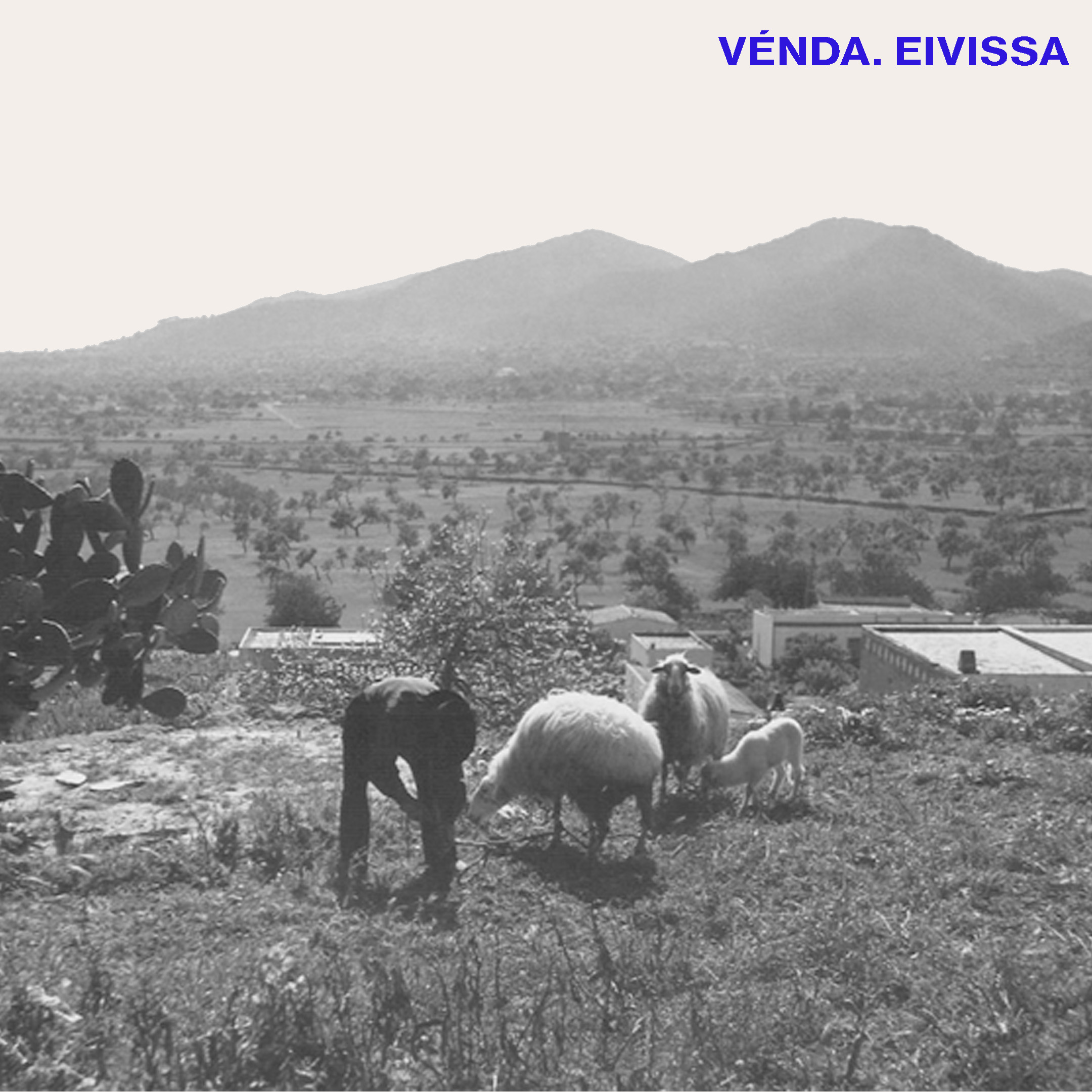
The proposal is based on the constructive tradition of the island. The vénda is the minimum unit of the territorial organization of Ibiza. It works as an intermediate scale between the domestic sphere and the natural environment, and it is also a meeting space for the community. Our proposal updates these concepts to contemporary living and construction standards.
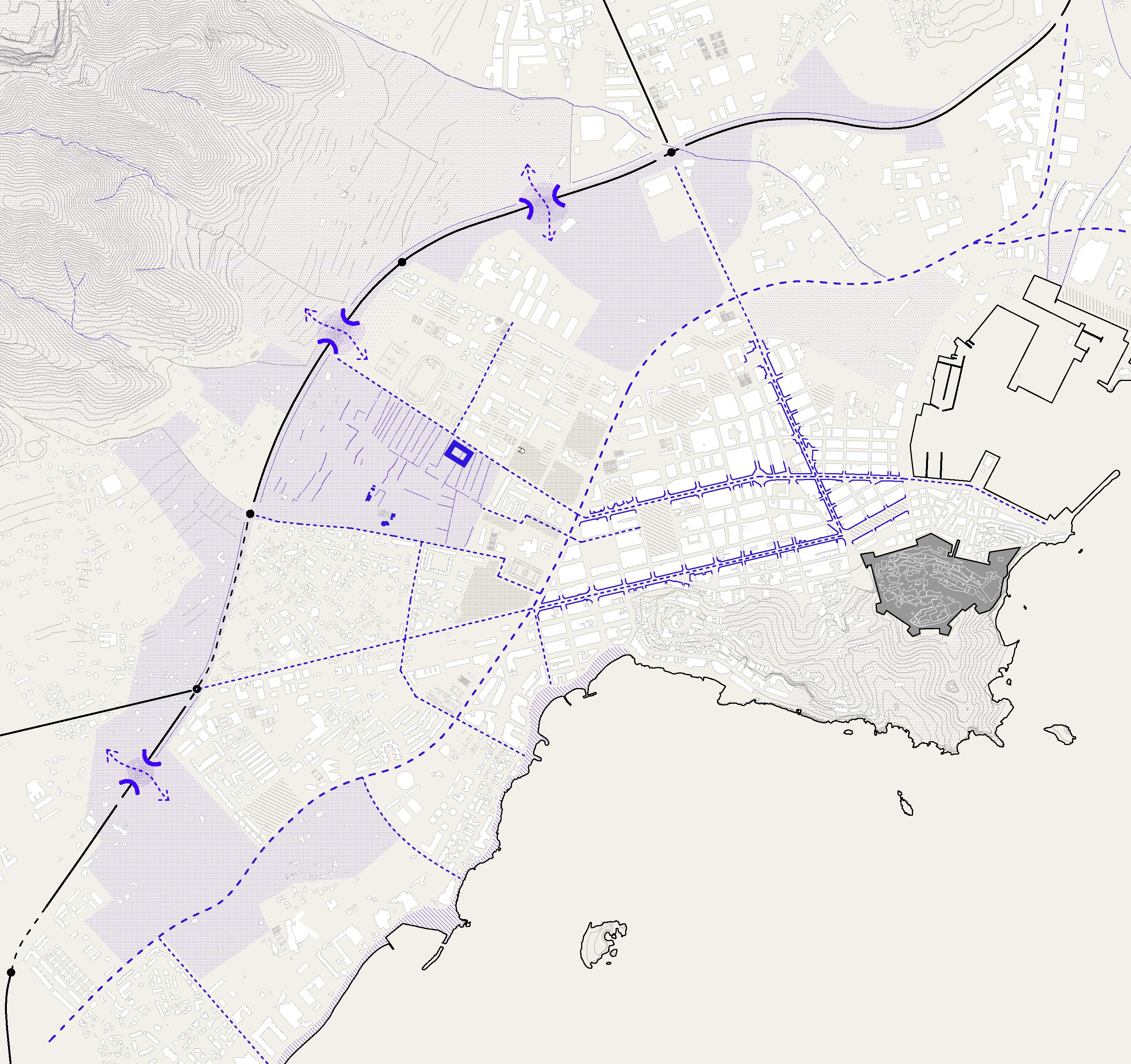
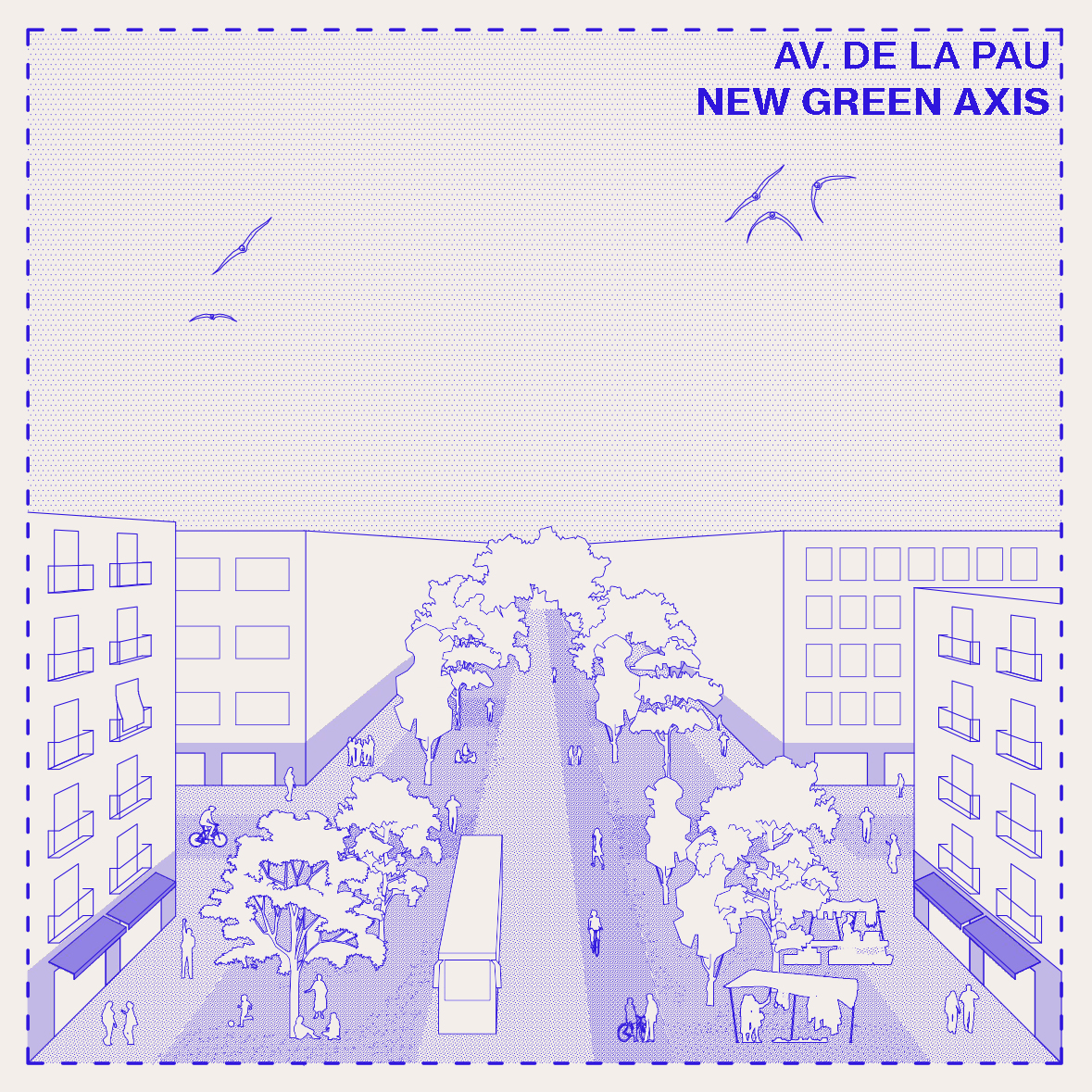
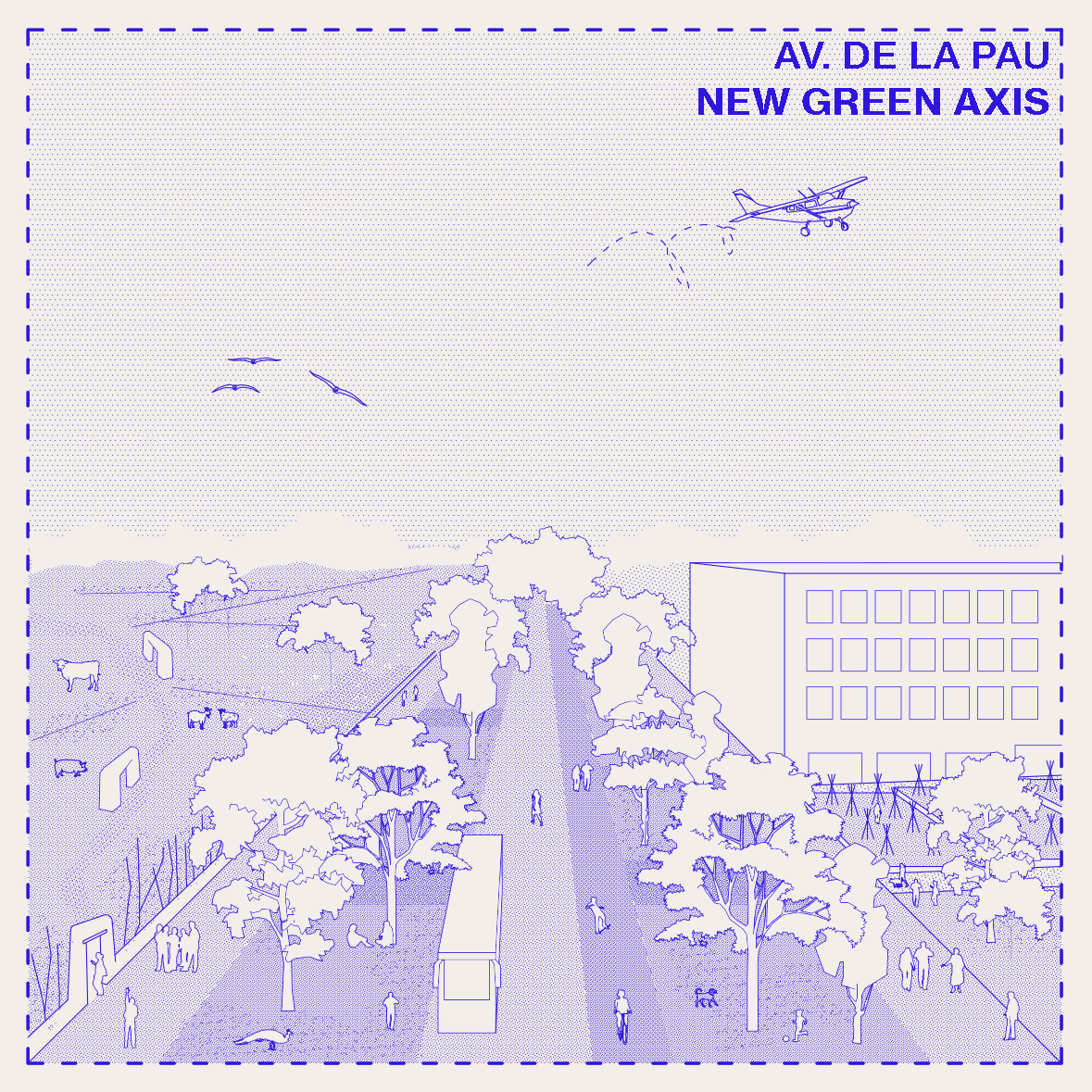
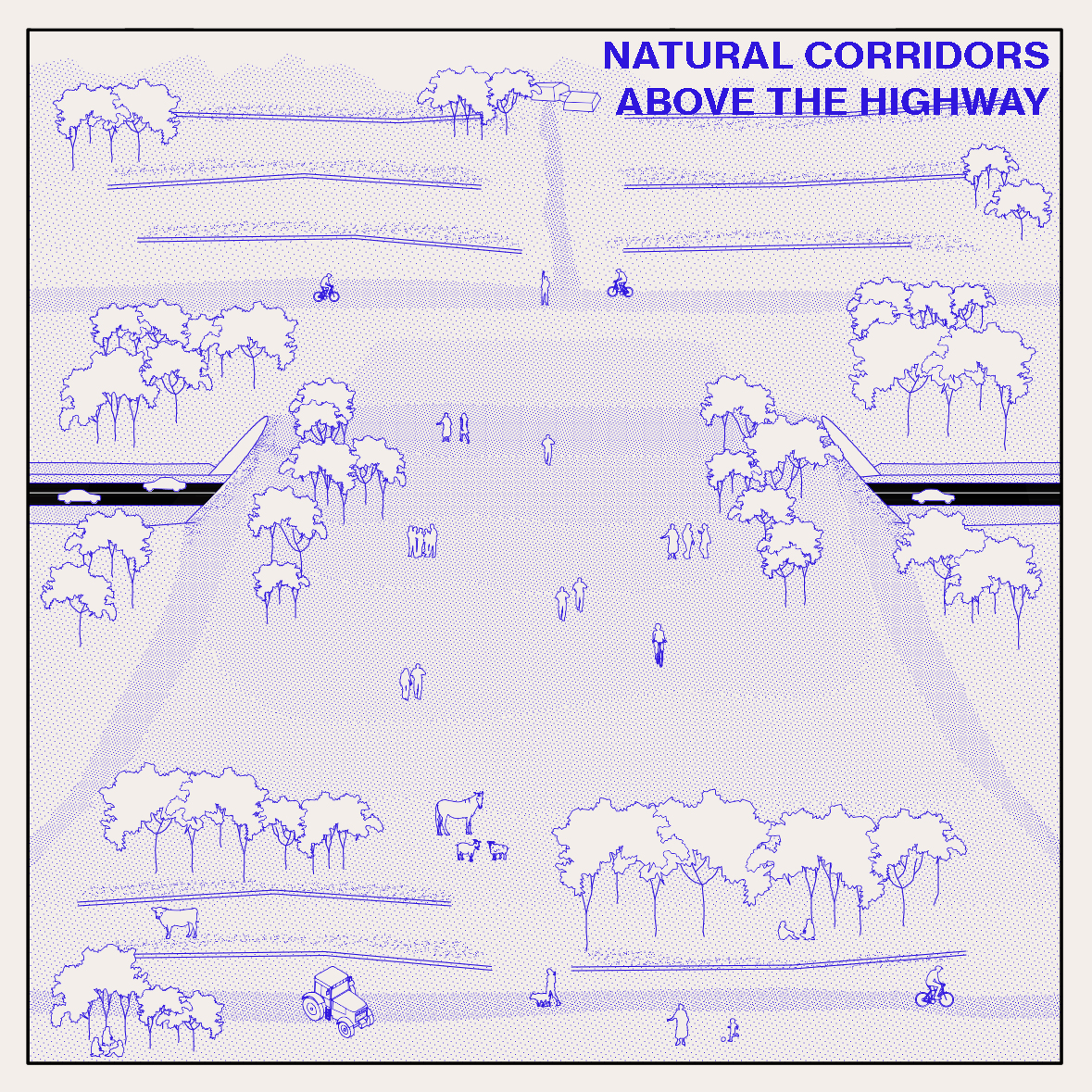
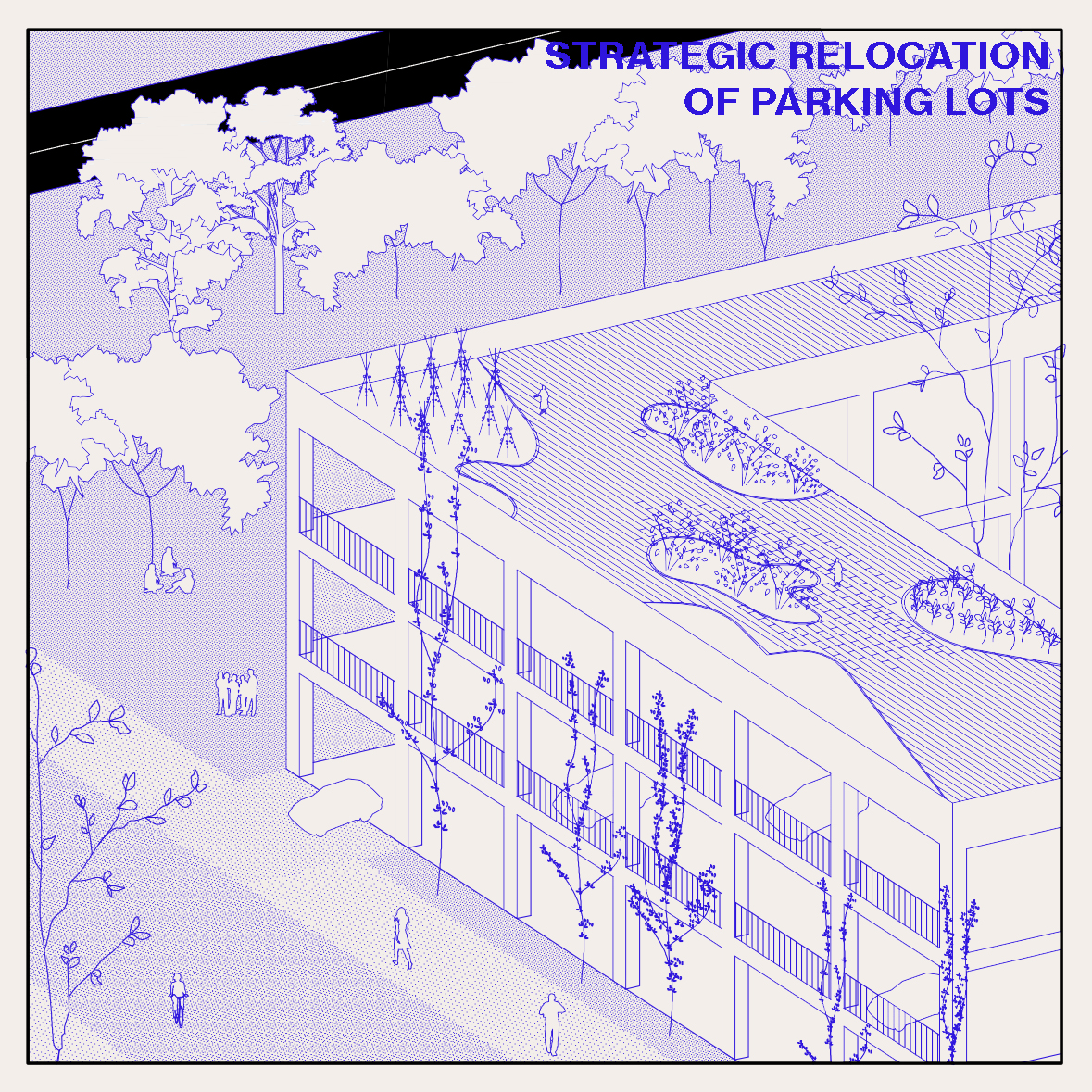
We worked through big, medium and small scales. At urban scale we propose the pacification of the main roads while reconnecting the city with its natural surroundings and the strategic placement of par-and-ride facilities.
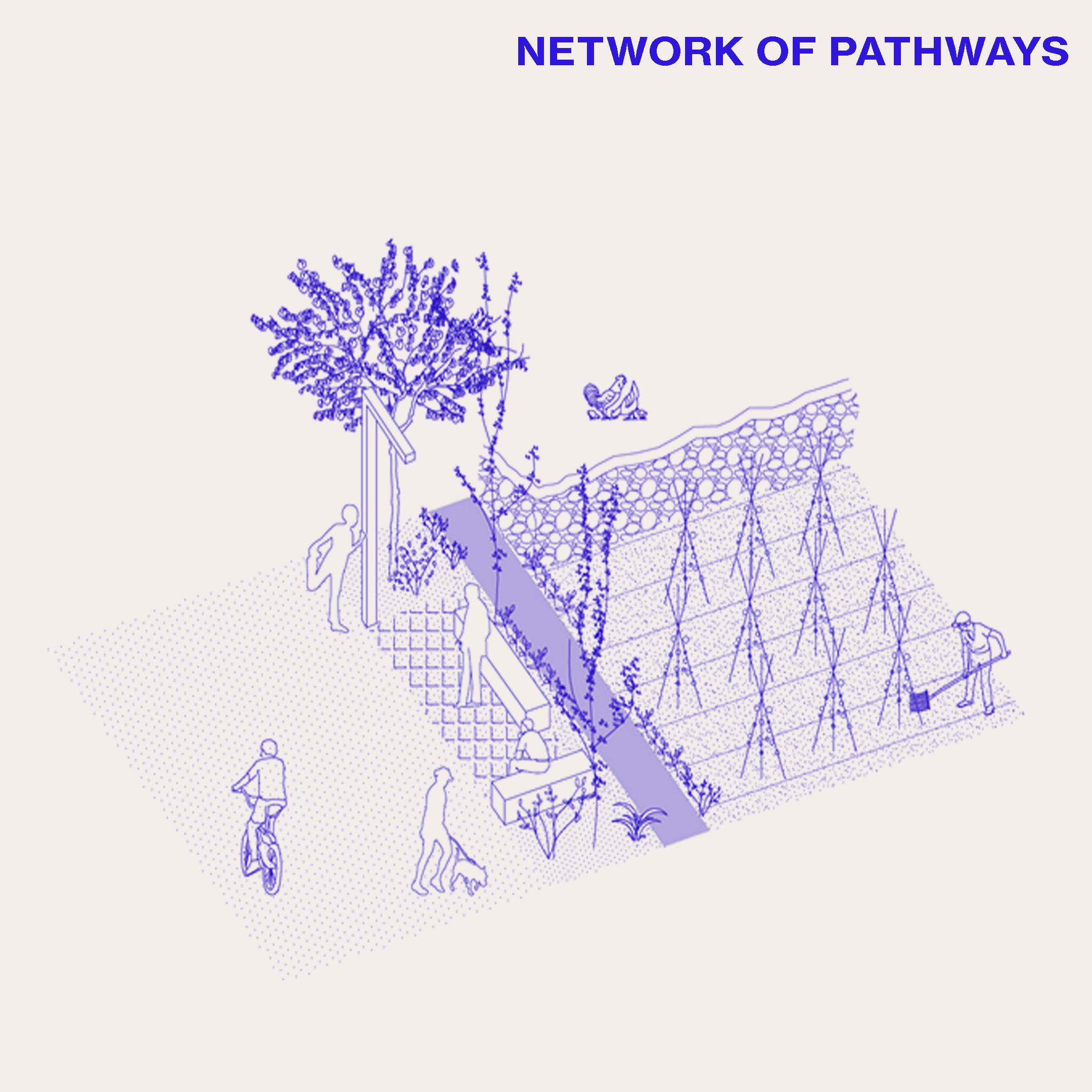
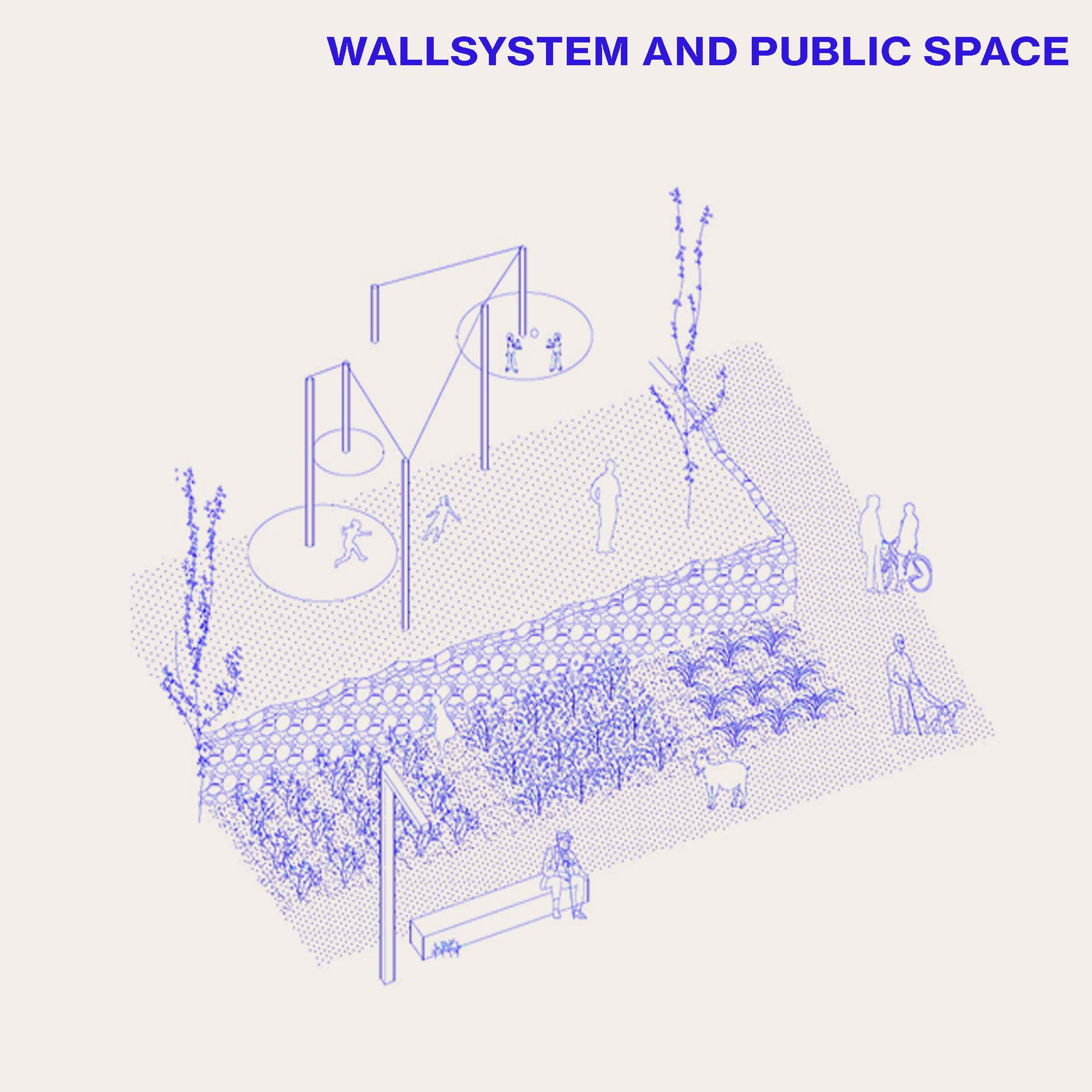
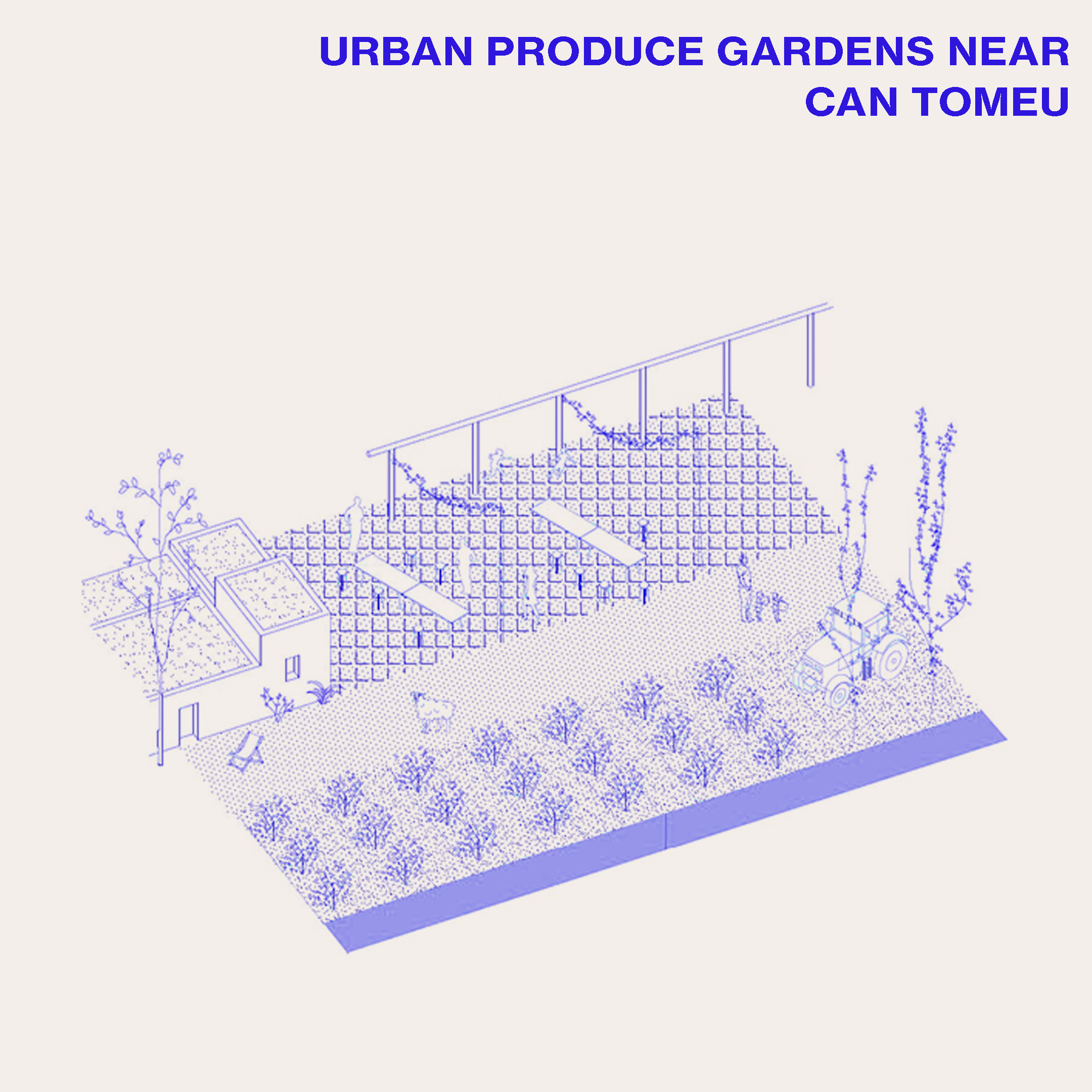
We propose a productive public space, a mosaic of small orchards optimizing the existing stone walls and the orographic layout, connecting human activities with the environment. A central axis organizes the connection between the natural areas and the city centre while transversal paths are conditioned to enable dynamic activities. Complementing the trails, a space for static use is proposed in relation to Can Tomeu.
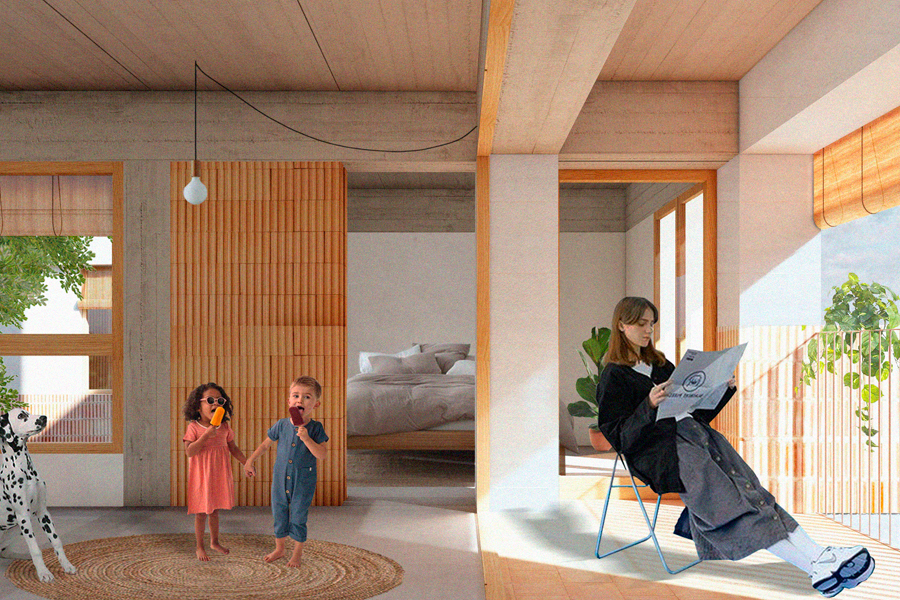
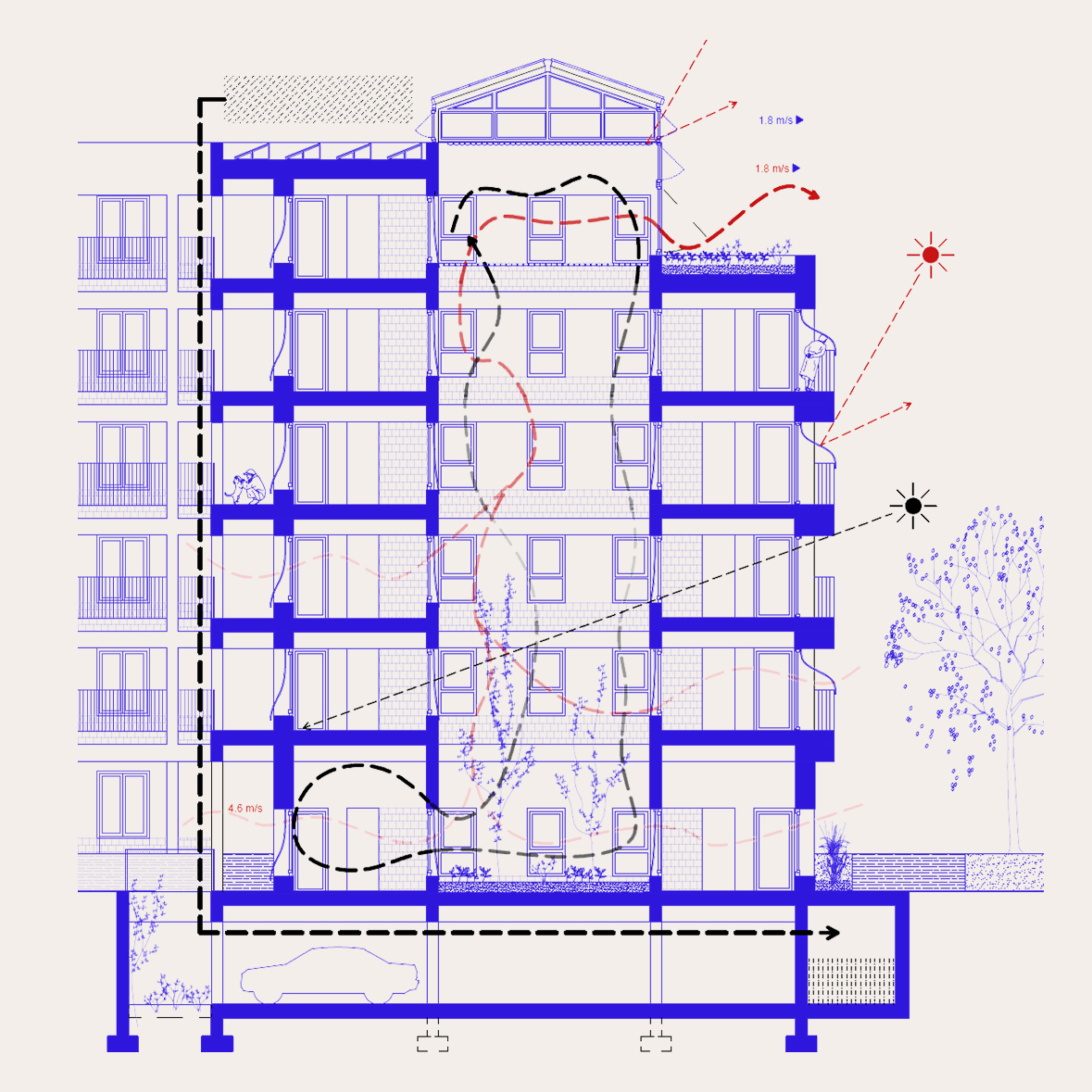
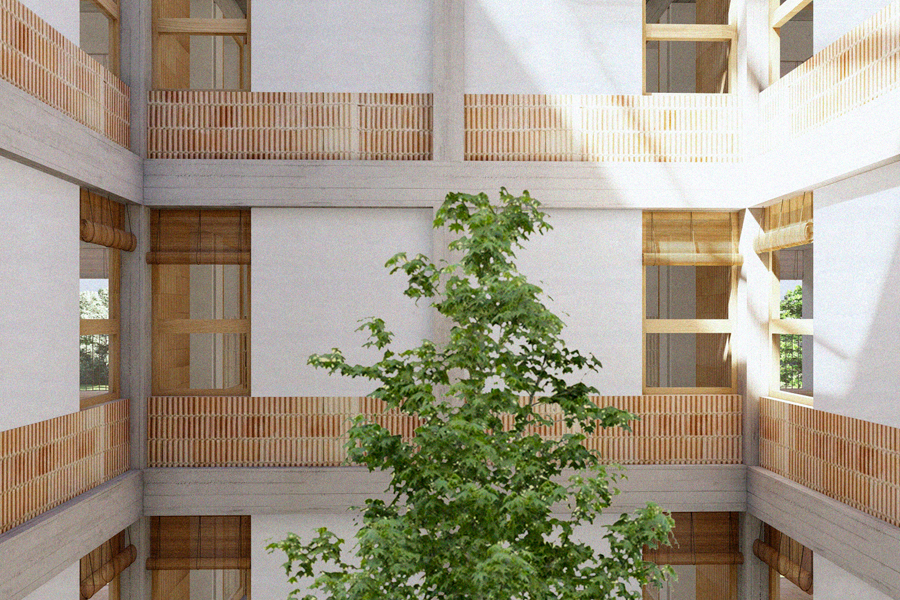
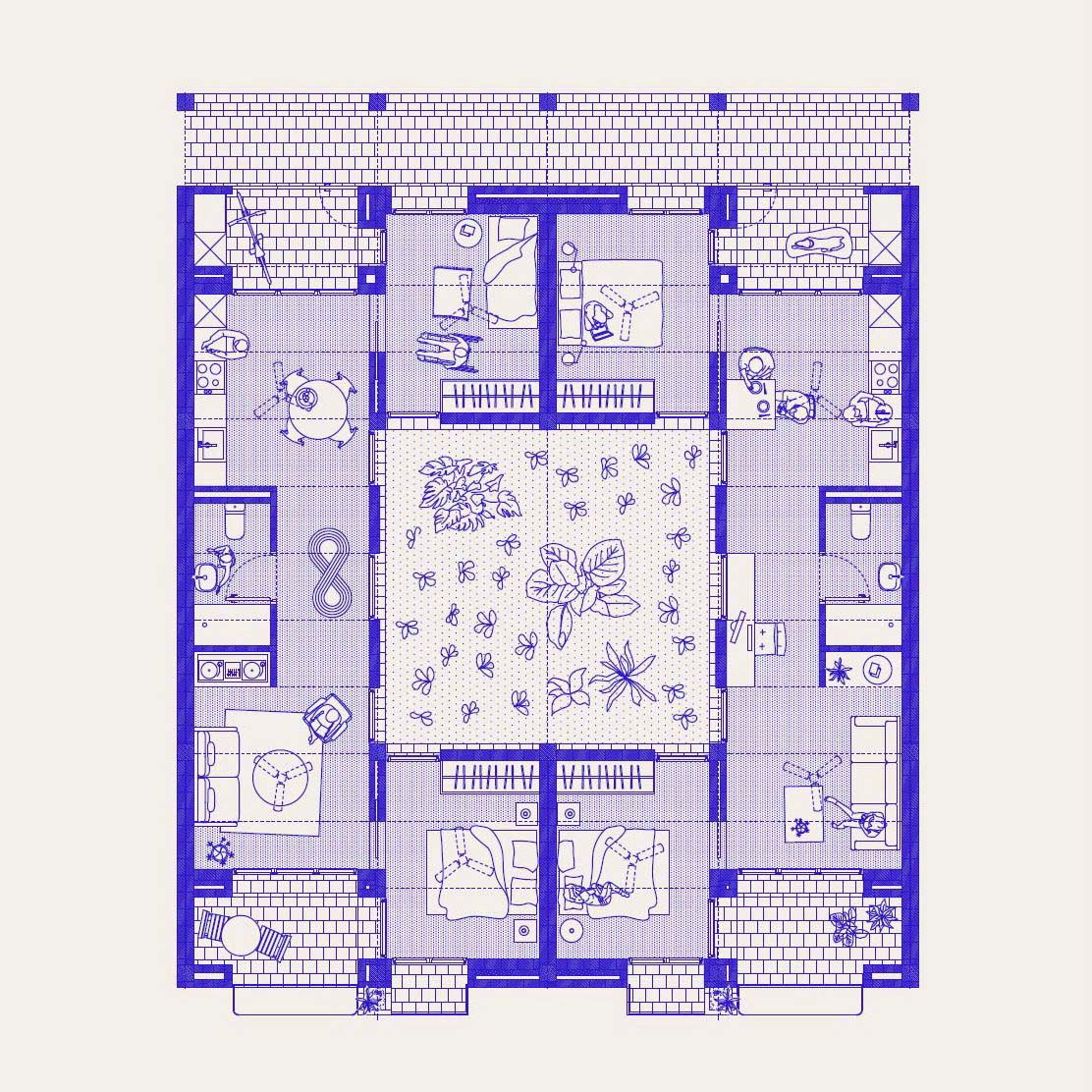
The housing building is complex and versatile. Its ground floor hosts a diversity of use while offering –here and in the standard an attic floors- a wide variety of housing units, all of them with exceptional comfort conditions, thanks to an atrium which is the main passive climate control system. The atrium moderates the thermal and hygrometric conditions of the building, maintaining ideal climatic conditions -similar to those of a spring day- throughout the year.
Two housing units are organized around every atrium. Each housing unit has balanced rooms –all of them have more than 10 m2- thus promoting the non-hierarchical arrangement of these spaces and their special autonomy. The kitchen and the bathroom are matched together in a central place, so they don’t condition the use of the rest of the house, taking therefore full advantage of the façade and the atrium, so all the autonomous spaces have cross ventilation and optimal light conditions.
The choice of the materials that will be used is not only guided by their technical performance, but also taking into account factors that do not quantify their sustainability only by their intrinsic characteristics, but rather taking into account the general context -economic, climatic, productive and social- in which this construction takes place.
Place: EivissaDate: 2023 - ongoing
Co-author: Ventura Godoy Garcia, Javier Esteve Casany
.jpg)